

Dental Implants and Implant Treatments
Losing teeth can affect more than your smile. It may also impact chewing, speech and oral health. Dental implants are artificial tooth roots placed in the jawbone to support fixed or removable replacement teeth. At Dental Residence, we plan implant treatment around your jawbone, oral health, medical history and personal goals. We assess implant-supported options for everything from a single missing tooth to several missing teeth or a complete arch.
How Does It Work?
Implant treatment begins with an assessment of your jawbone and oral health. Implants are placed in carefully planned positions. Once they have integrated with the bone, custom-made replacement teeth are fitted to the implants.
Key Benefits
-
A natural-looking replacement tooth
-
Support for comfortable chewing
-
No need to prepare neighbouring teeth
-
May help preserve the jawbone
-
Options for fixed or removable restorations
When Is It Recommended?
-
For a single missing tooth
-
For several missing teeth
-
For patients with no remaining teeth
-
For suitable patients who prefer not to wear removable dentures
-
When replacing missing teeth without preparing adjacent healthy teeth
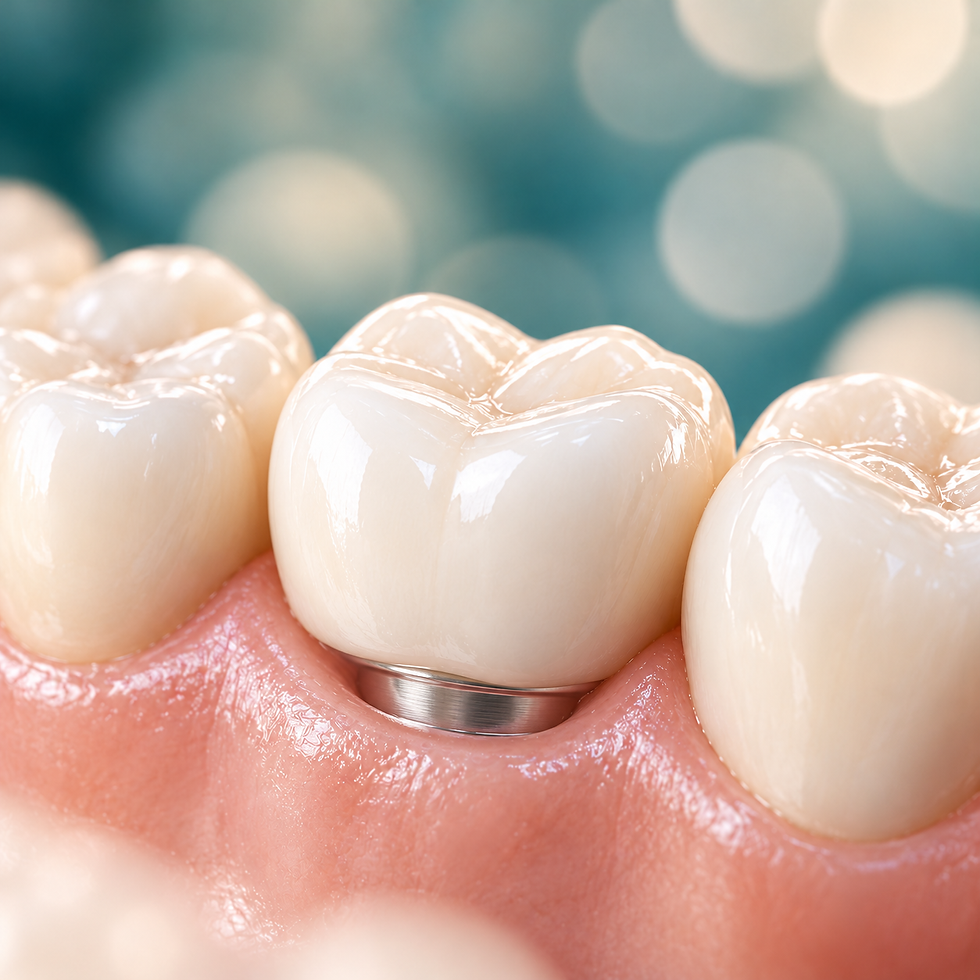
Dental Implant Treatment
Dental implants are titanium artificial tooth roots placed in the jawbone to replace missing teeth. With a crown or bridge fitted on top, they aim to restore a natural appearance and comfortable chewing.
Key Benefits
-
Four implants in one jaw
-
Support for a fixed full-arch bridge
-
Angled placement to make use of available bone
-
May reduce the need for bone grafting in some cases
-
Same-day temporary fixed teeth may be possible for suitable patients
When Is It Recommended?
-
When all teeth are missing
-
When many teeth have been lost
-
When existing teeth cannot be saved
-
For suitable patients who prefer fixed teeth to removable dentures
-
When the jawbone is suitable for a four-implant approach

All-on-4 Implant Treatment
All-on-4 is a treatment for patients missing all the teeth in one arch. A fixed full-arch bridge is supported by four implants placed in the jaw. The implants can be positioned at carefully planned angles to make use of the available bone.
How Does It Work?
For All-on-4 treatment, digital imaging is used to assess the jawbone. Four implants are placed in the planned positions. A temporary fixed bridge may be fitted when clinically appropriate. After healing, the final custom-made bridge is secured to the implants.
Key Benefits
-
Six implants in one jaw
-
Support for a fixed full-arch bridge
-
Chewing forces distributed across the implants
-
A natural-looking smile
-
Custom-designed replacement teeth
When Is It Recommended?
-
When all teeth are missing
-
When many teeth have been lost
-
When existing teeth cannot be saved
-
For patients considering a fixed full-arch bridge
-
When the jawbone can accommodate six implants

All-on-6 Implant Treatment
All-on-6 is a treatment for patients who have lost all their teeth in one arch. A fixed full-arch bridge is supported by six implants placed in the jaw. The six implants help distribute chewing forces across the restoration.
How Does It Work?
For All-on-6 treatment, the jawbone and potential implant sites are carefully assessed. Six implants are placed in the planned positions and healing is monitored as they integrate with the bone. The custom-made final bridge is then fitted to the implants.
WHICH TREATMENT IS RIGHT FOR YOU?
Comparing Dental Implant Options
Every smile is different. This quick guide can help you explore the most suitable crown or veneer options.

Fixed Dental Bridge
Dental Implant
Fixed implant-supported options are available for one or more missing teeth.
Personalised
Single or Multiple Missing Teeth

4 Implants
All-on-4
A fixed full-arch bridge supported by four implants in one jaw.
Full Arch
Fixed Dental Bridge

All-on-6
Six implants in one jaw support a fixed full-arch bridge.
6 Implants
Full Arch
Fixed Dental Bridge
Dental Residence Implant Treatment FAQs
A dental implant is an artificial tooth root placed in the jawbone to replace a missing tooth. A crown or bridge fitted onto the implant helps restore appearance and chewing function.
Patients may choose Türkiye for modern dental care and lower treatment costs compared with the UK. When choosing a clinic, focus on clinician qualifications, treatment standards and appropriate aftercare.
Implant costs depend on the brand and number of implants, the type of crown or bridge, imaging, any additional procedures and individual treatment needs.
Approximate 2026 market prices for a single dental implant, abutment and final crown vary between Türkiye and the UK. These figures are indicative only; your personalised quotation is confirmed after assessment.
-
Implant treatment usually involves four stages: consultation and planning, implant placement, healing and bone integration, and fitting the final crown or bridge.
Implant treatment often involves two visits. The first is for assessment, implant placement and any necessary temporary restorations. After a healing period, the second visit is usually for fitting the final teeth. Your schedule depends on your clinical needs.
-
Dental implant surgery is usually performed under local anaesthetic, so you should not feel pain during the procedure. Mild discomfort, swelling or tenderness for a few days afterwards is common. Contact your dentist if symptoms are severe or persistent.
Dental implants are a well-established way to replace missing teeth. Reported success rates can be high, but outcomes depend on your oral health, bone condition, medical history and maintenance. Your dentist will explain your individual prognosis.
After implant surgery, follow your dentist’s advice about cleaning, eating and taking any prescribed medicines. Ongoing oral hygiene and regular check-ups are important for long-term implant health.
Test.